
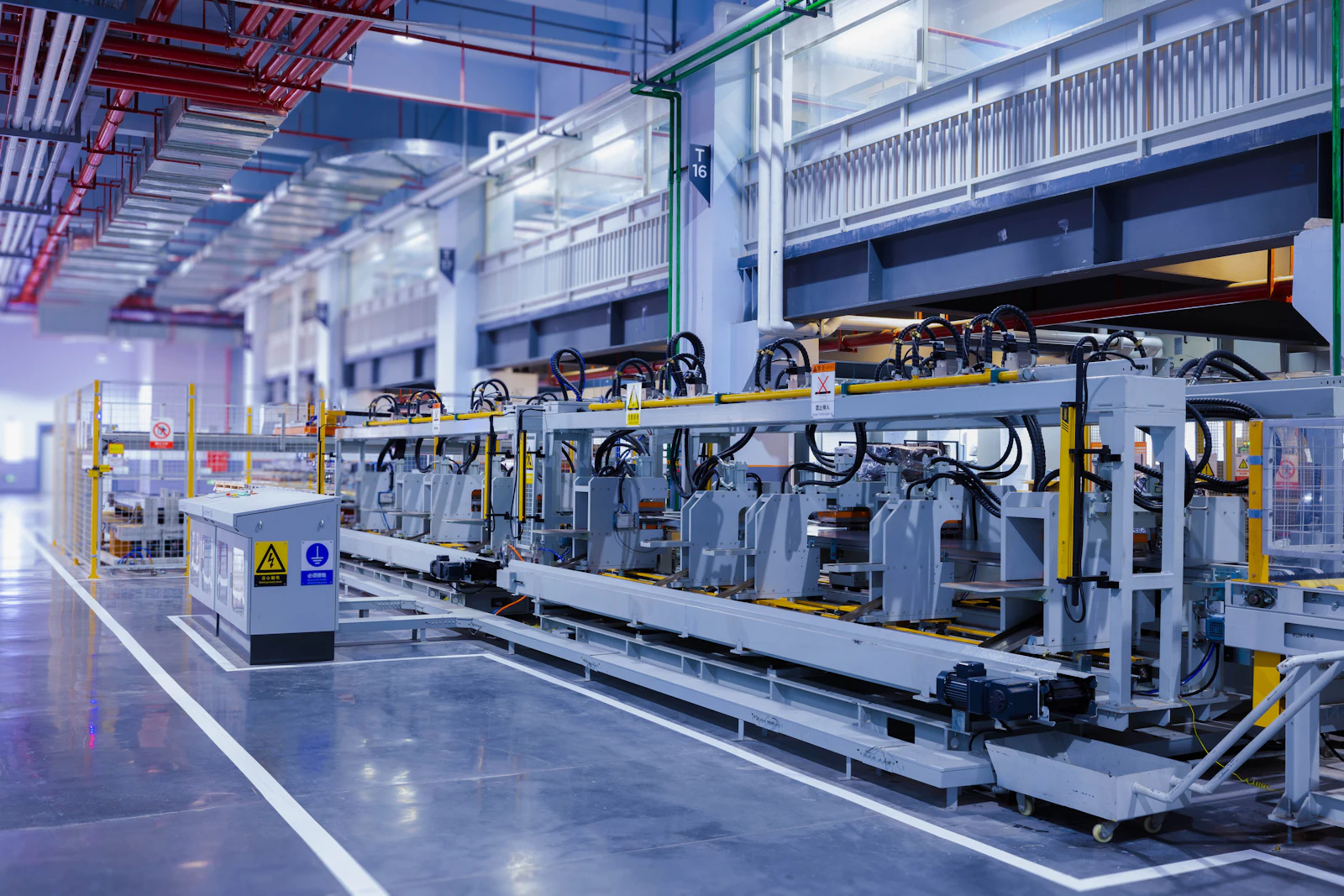
Filling and capping stations sit at the point where product first meets its final packaging, which means a single worn aseptic valve seal or a misaligned capping chuck can trigger a full batch rejection rather than a simple mechanical stoppage.
Ampionic's sourcing desk maintains structured stocking data across Tetra Pak, Zalkin, and Krones filling and capping platforms, covering aseptic valves, sealing jaws, capping chucks, and torque limiters — the components most exposed to constant mechanical cycling and CIP chemical exposure.
Every request is checked against manufacturer drawings and, where relevant, food-contact material compliance standards, before a quote is issued, so your line resumes production with a component that meets both mechanical and sanitary specification, not just a dimensional match.
Filling & Capping: where uptime is decided
Filling & Capping equipment sits on the critical path of every line it serves. When a wear part fails here, the problem is rarely limited to one machine — upstream buffers fill, downstream packaging starves and quality holds follow. Ampionic focuses on the components that fail first and keeps verified sourcing data for them across Tetra Pak, Zalkin, KRONES.
Typical installations
- Aseptic fillers for dairy and juices
- Volumetric and gravimetric fillers for beverages
- Rotary cappers with torque control
KPIs worth tracking
- Fill volume deviation
- Cap torque within specification
- Batch rejections per month
What a worn part really costs
- Microbiological contamination from a worn valve seal
- Under-filled packs and legal metrology issues
- Loose caps and leaking packs
A filling & capping spare costs a fraction of one hour of lost output. Stock decisions should be made on downtime cost, not on part price.
Brands we support in this category
- Tetra Pak — aseptic valves, sealing jaws, pressure sensors, induction heating bands
- Zalkin — capping chucks, magnetic clutches, pick-and-place arms, cap feed tracks
- KRONES — centering bells, filling valves, gripper fingers, starwheels
Troubleshooting: filling & capping
Use this as a first-line guide before calling for parts. Each row shows the symptom, the most common cause and the recommended action.
Fill level variation
- Likely cause: worn filling valve seals
- Action: replace valve seal kits
Product drip after fill
- Likely cause: valve not closing fully
- Action: inspect seat and spring, replace as kit
Loose caps
- Likely cause: capping chuck wear or torque limiter drift
- Action: replace chuck inserts, re-set torque


